Handbag Care Guide: Tips for Long-Lasting Bags
Handbags are more than just accessories; they are investments that require careful attention. Appropriate maintenance and care can significantly prolong their longevity. From appropriate storage conditions to regular cleaning, every element serves a crucial function in maintaining their condition. Knowing how to guard against deterioration and damage is essential. As you evaluate these considerations, the value of resolving damage swiftly becomes more obvious. What steps can one take to guarantee their handbags remain in pristine condition?
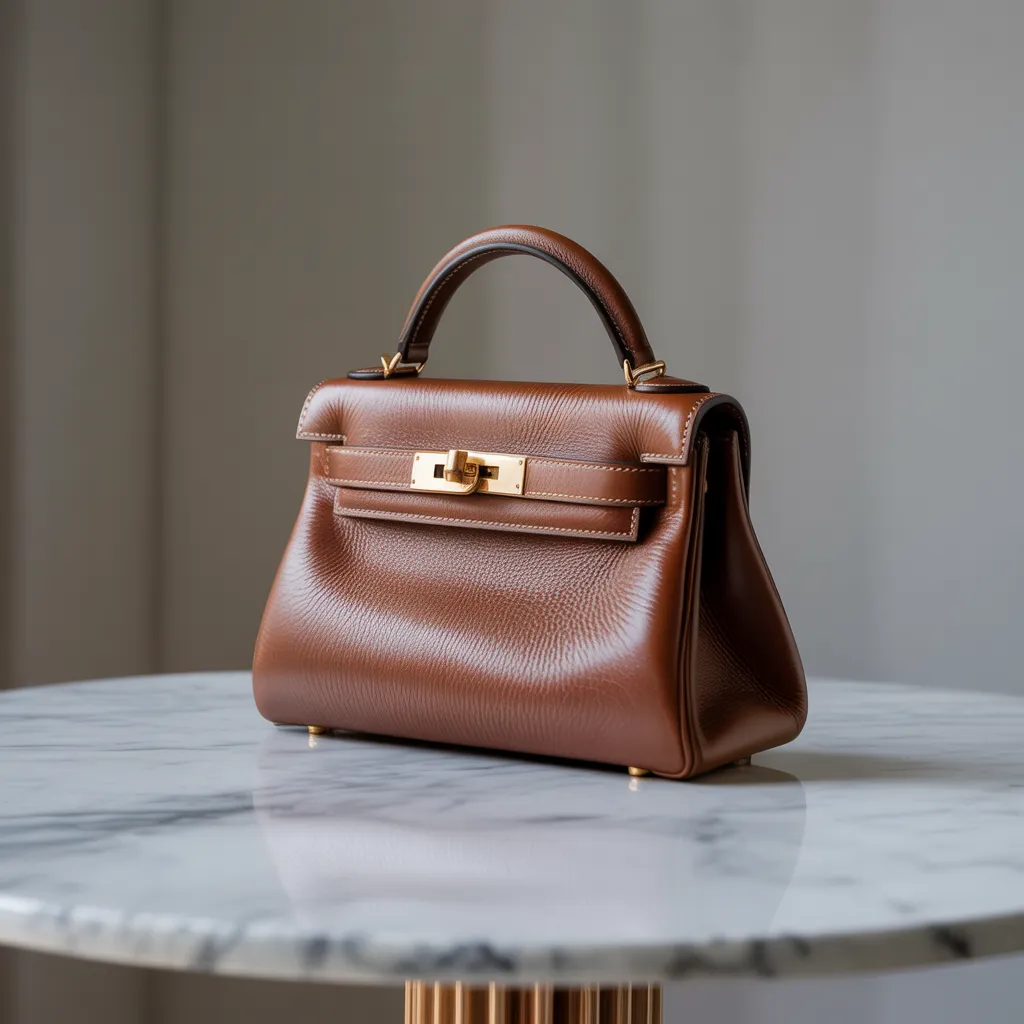
Choosing the Proper Storage Space
Choosing the right storage environment for handbags is crucial to maintaining their condition and longevity. Handbags should be placed in a cool, dry place away from direct sunlight, as exposure can cause fading and damage to materials. Humidity levels should be regulated, as high moisture can cause mold and mildew, specifically in leather bags.
Proper storage includes using dust bags or breathable fabric covers to safeguard handbags from dust and scratches. It is advisable to avoid overcrowding them, as this can change their shape and structure. Furthermore, placing handbags upright with stuffed interiors can help maintain their form. For bags with delicate embellishments, extra care should be taken to ensure they are not pressed against other items. By thoughtfully selecting the storage environment, one can substantially extend the longevity of their handbags, preserving both their aesthetic and functional qualities.
Standard Cleaning and Maintenance
Regular cleaning and maintenance are essential for protecting the visual quality and longevity of handbags. Particles and grime can collect over time, reducing the luster and impacting its integrity. To copyright a handbag's immaculate state, it is suggested to do regular maintenance with a gentle, dry fabric. For thorough cleaning, various materials could require customized care; leather handbags, for instance, respond well to a dampened cloth plus a professional conditioner to keep the material soft.
Moreover, examining the handbag for marks or spillages should be a regular practice. Taking care of these immediately can prevent permanent damage. For textile bags, a delicate fabric cleaner may be utilized, while suede should be handled with a brush specifically for its delicate surface. Lastly, verifying that clasps and zippers work smoothly is vital; regular checks can help avoid future repairs. By implementing these practices into a regular maintenance routine, the handbag will remain elegant and usable for years to come.
Safeguarding Against General Wear
Handbags are prone to deterioration, especially with frequent use. To protect these investments, individuals should adopt preventative strategies. First, selecting appropriate materials is crucial; opting for durable fabrics or leather can enhance longevity. Moreover, utilizing a dust bag when storing the handbag helps protect it from dust and surface damage.
Regular inspection and cleaning of the handbag also plays a vital role. This includes using a soft cloth to wipe the exterior and remove dirt and debris. Owners should additionally avoid overfilling their bags, as excessive weight can strain seams and handles.
Moreover, considering environmental factors, such as extreme temperatures and humidity, can prevent deterioration. Last but not least, employing bag organizers helps keep shape and structure, reducing the risk of creasing or deformity. By taking these safeguarding steps, handbag owners can considerably extend the lifespan of their beloved accessories.
Dealing with Damage Promptly
Taking care of damage immediately is critical for upholding the integrity of a handbag. When a handbag incurs scratches, tears, or stains, immediate attention can avoid further deterioration. Disregarding slight issues may bring about more severe problems, such as structural weakening or irreversible discoloration.
For example, a small scratch can often be treated with specialized leather creams or conditioners, while a tear may need expert restoration. Stains should be treated using appropriate cleaning solutions tailored to the handbag's material, as using the wrong product can worsen the problem.
Consistent inspections of the handbag can reference help recognize damage early, facilitating timely intervention. Furthermore, keeping the handbag properly stored can lower the risk of damage from environmental factors. By prioritizing prompt repairs and maintenance, handbag owners can lengthen the lifespan of their accessories and maintain their aesthetic appeal, making sure they remain a cherished part of their collection.
Arranging and Managing Content
While several may underestimate the significance of systematizing the contents of a handbag, doing so can considerably increase both functionality and ease of access. A properly arranged handbag allows the owner to swiftly identify essential items, reducing frustration during daily tasks. Implementing pouches or small organizers can help compartmentalize items such as cosmetics, wallets, and keys, keeping them from becoming tangled or misplaced.
Regularly evaluating the contents is essential; unnecessary items should be taken out to maintain a lightweight and manageable bag. Establishing specific sections for often utilized items develops a habit of returning them to their proper location, ensuring they are always easily accessible. Furthermore, using a consistent system, such as hue-based sorting or organizing by scale, can increasingly streamline the organization process. By prioritizing organization, handbag owners can not only enhance their daily efficiency but also prolong the lifespan of their accessories by decreasing wear and tear associated with messy contents.
Questions & Answers
How Often Do I Need to Rotate My Handbags for Consistent Wear?
Specialists advise alternating handbags every few weeks to promote even wear. This approach avoids excessive strain on individual bags, preserving their shape and longevity while providing a varied style experience that complements various outfits.
Can I Apply Leather Conditioner on Every Type of Handbags?
Leather conditioning products are appropriate for genuine leather handbags, increasing their flexibility and durability. Nonetheless, it should be not used on non-leather materials for instance canvas or synthetic fabrics, as it may harm their composition and aesthetic.
Should You Store Handbags in Plastic Bags?
Keeping handbags in plastic bags is typically not advisable, as this can capture moisture and result in mold or mildew. Rather, breathable dust bags made of fabric are better for maintaining the integrity and longevity of the handbags.
How Do I Remove Stubborn Stains From My Handbag?
To eliminate stubborn stains from a handbag, carefully dab the area with a soft cloth and a suitable cleaner. Try the solution on a inconspicuous spot first to stop damaging the material. Being patient is crucial.
How Can I Deal with a Foul-Smelling Handbag?
To get rid of bad odors from a handbag, one should remove all contents, clean the interior with a mild cleaning mixture, and put smell-absorbing materials like baking soda or activated charcoal inside, permitting it to breathe thoroughly.